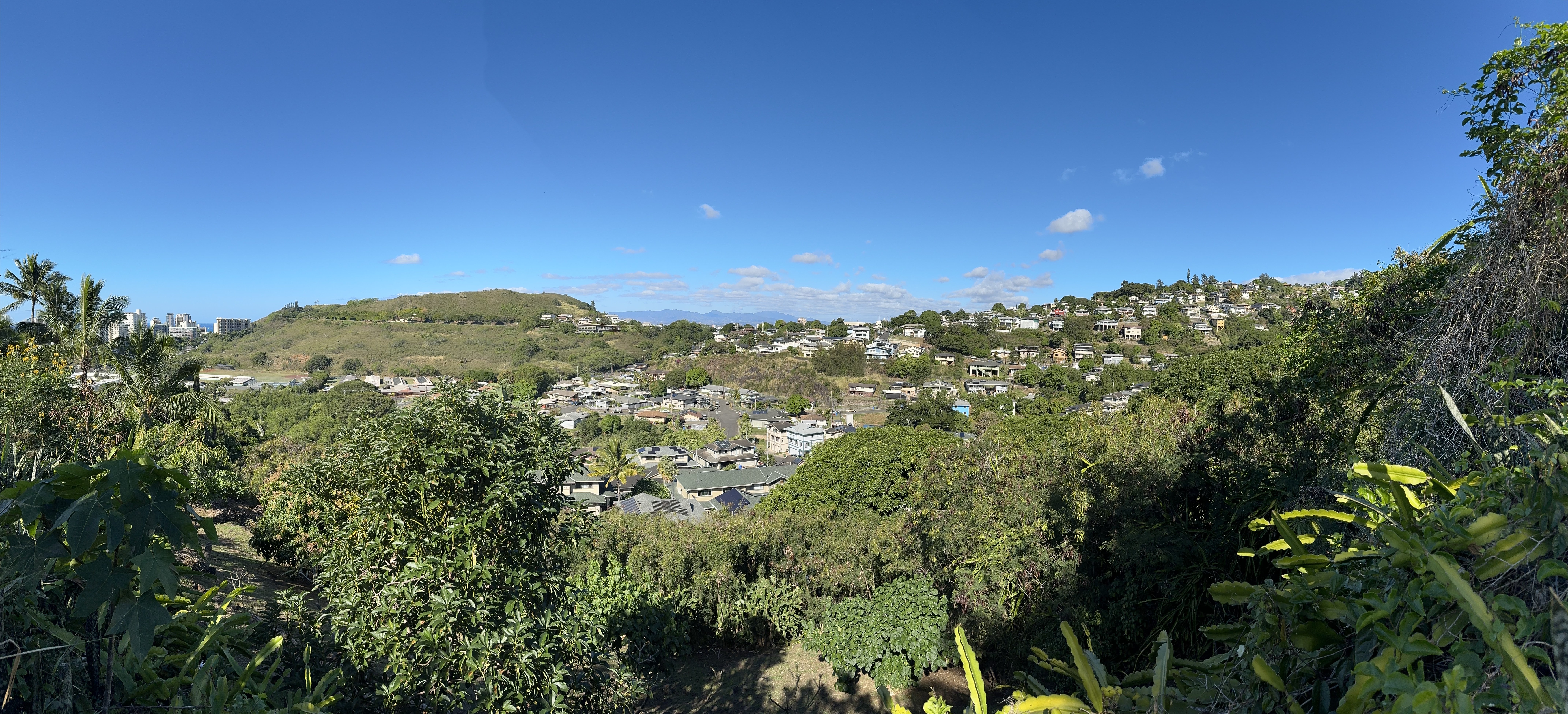

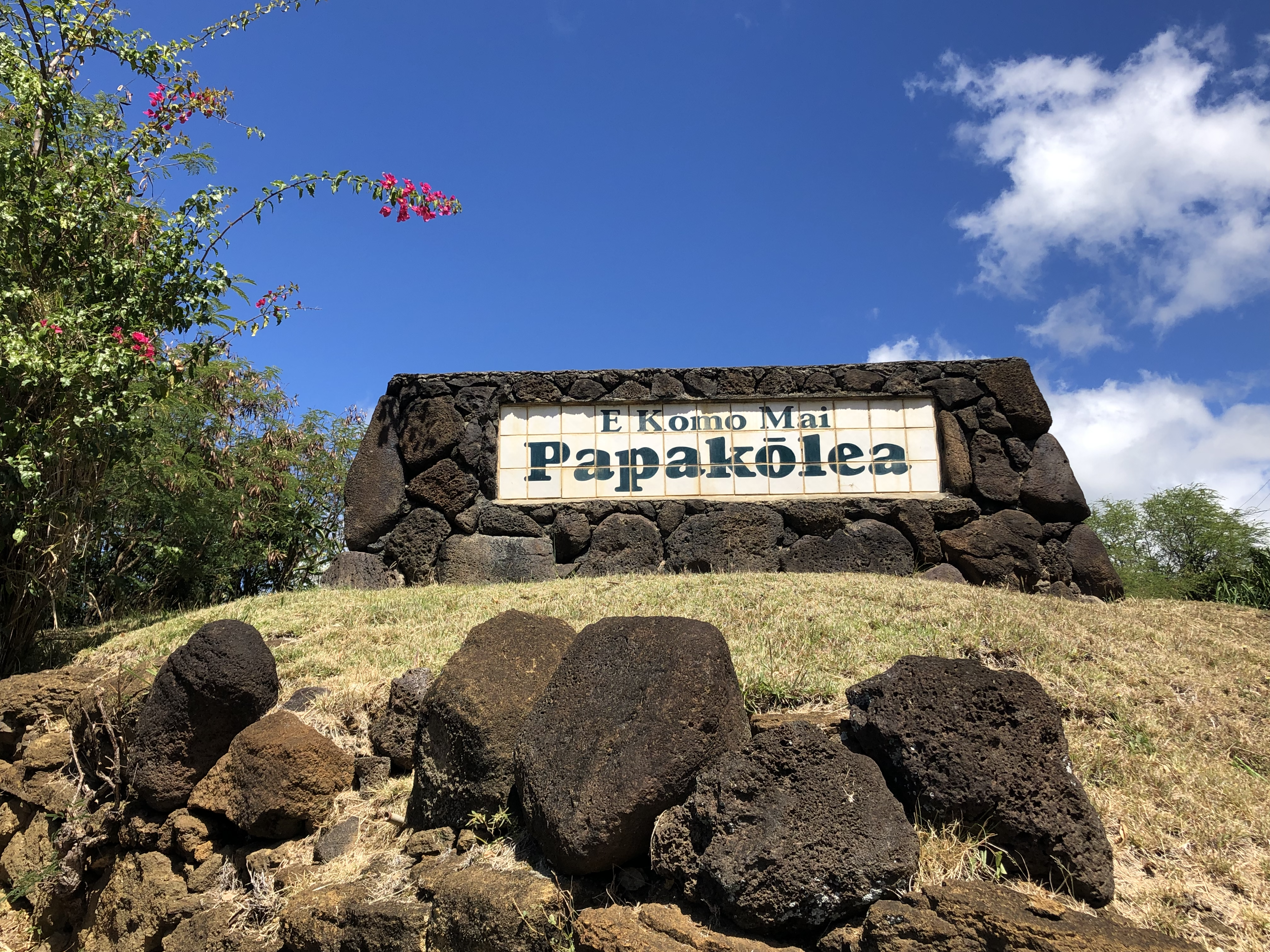
Kula no nā Poʻe Hawaiʻi o Papakōlea (KULA) is a community-based nonprofit with a staff of 22 serving the residents of the Papakōlea, Kewalo, and Kalāwahine Hawaiian Homesteads—and the broader community—from the Papakōlea Community Center and Park at 2150 Tantalus Drive, Honolulu, Hawaiʻi. Since 1992, KULA has provided culturally grounded education, health, and workforce development services that strengthen ʻohana and improve community wellbeing.
KULA's work is rooted in Indigenous knowledge, community partnerships, and research that advances health equity for Native Hawaiian and Pacific Islander populations. For decades, we have successfully applied community-based participatory research (CBPR) to design and deliver programs that are culturally appropriate, communitydriven, and effective in reducing health disparities.
Our health and wellness programs build community engagement and workforce capacity through offerings such as Hula for Hypertension, Lomilomi, Community Health Worker certification, and social service workshops. In 2017, KULA established the Kūpuna Community Care Network to support kūpuna and caregivers and ensure that elders can safely age in place.
KULA also leads robust Service Learning partnerships with the University of Hawaiʻi, Hawaiʻi Pacific University, and Chaminade University. Through these partnerships, nursing, social work, and public health students participate in home visits, health education, and community engagement activities that strengthen both academic learning and community stewardship.
Our education programs include the Lamakū After School Program and Lamakū Junior Leaders Program, serving youth in grades K–12 with homework assistance, tutoring, leadership development, and cultural learning. We partner with Theodore Roosevelt High School, R.L. Stevenson Middle School, Abraham Lincoln Elementary School, and Pauoa Elementary School to support academic achievement, behavior, and attendance for homestead youth.
See Our Work
KULA's work strengthens Native Hawaiian homestead communities through programs, research, events, and community stories that reflect our values and vision. Explore how we support keiki, ʻohana, and kūpuna through culturally grounded services; how community-driven research informs health and wellbeing; how our events bring people together; and how the stories of our families and partners guide everything we do.